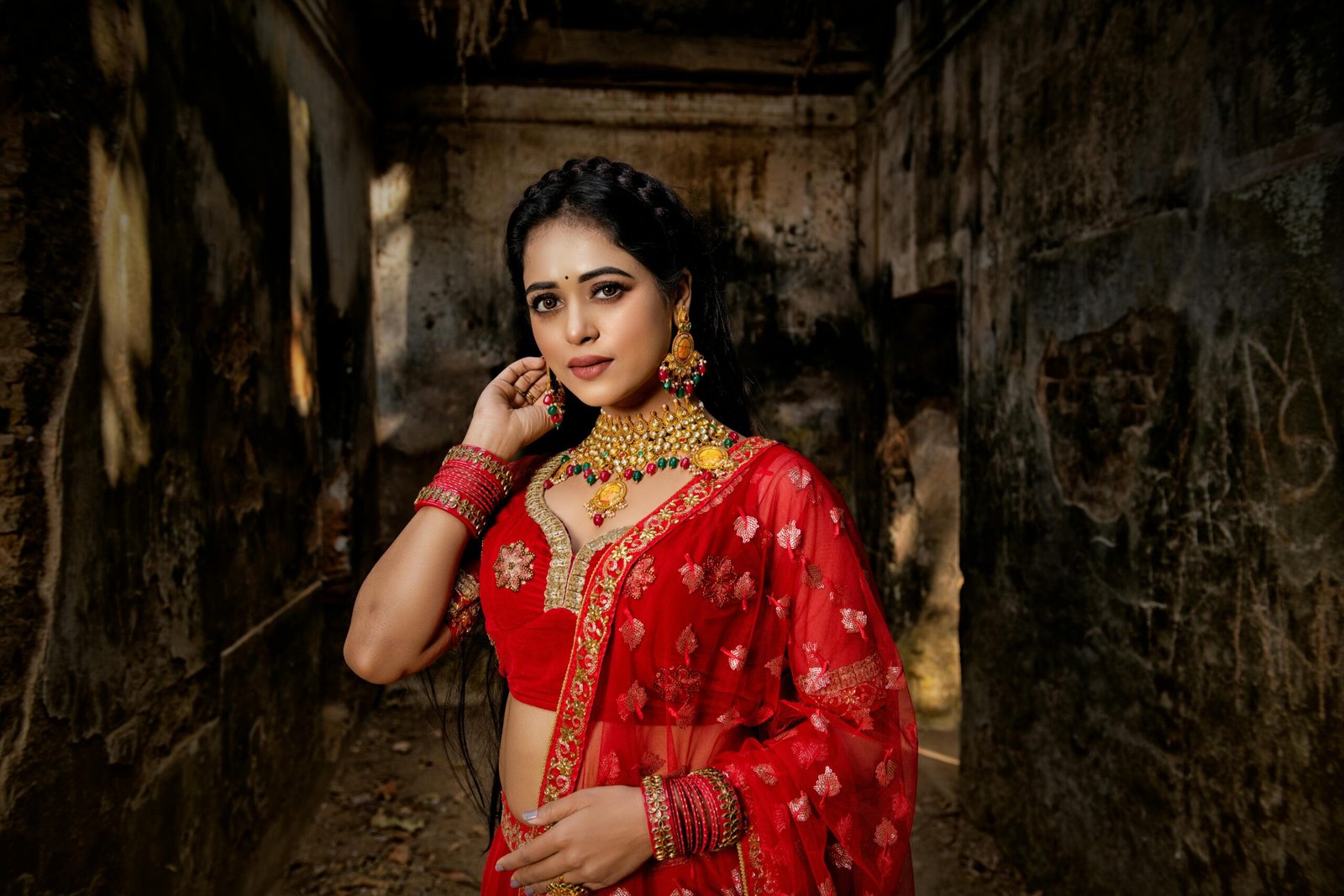

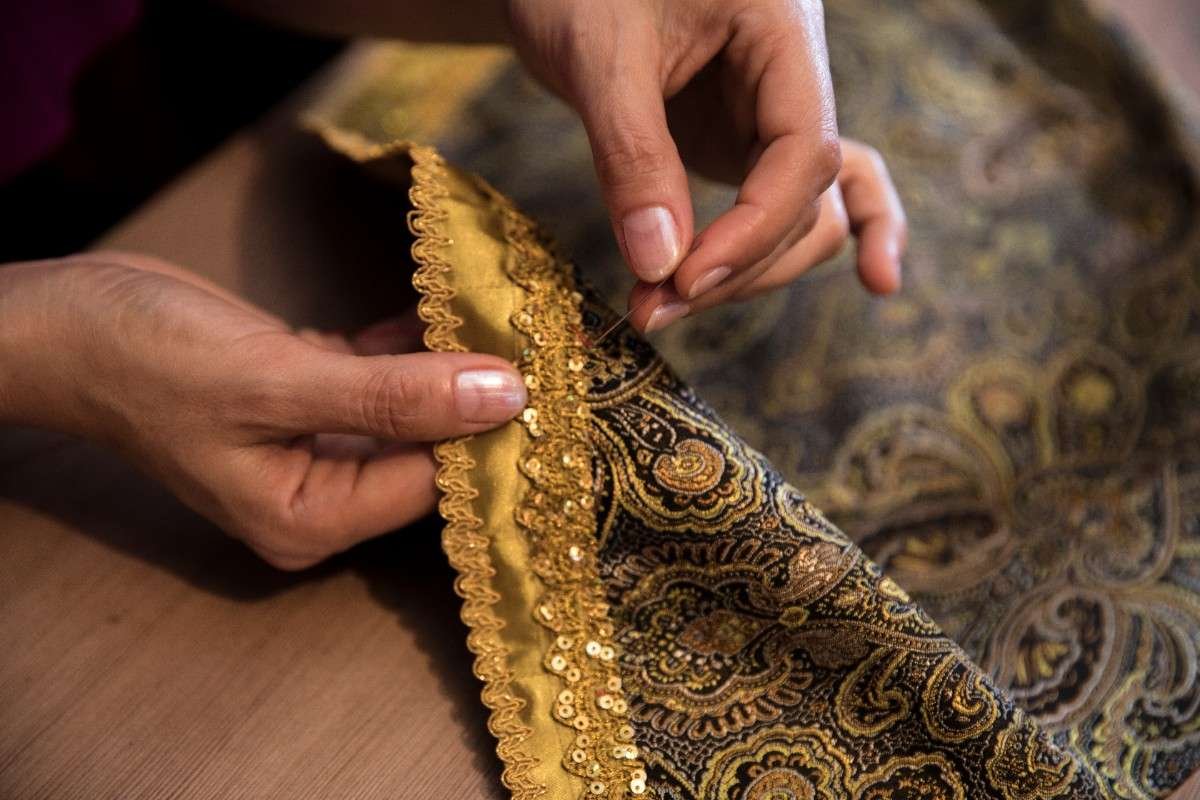
The saree is much more than just an attire for Indian women; it is a vibrant tapestry woven with threads of history, culture, and artistry. Each saree fabric and embroidery technique carries the legacy of a region, telling stories of craftsmanship that have been preserved through generations. In this blog, we dive deep into the rich world of Indian saree textiles and embroidery, exploring their unique characteristics and cultural significance.
The Diversity of Indian Saree Fabrics: A Textile Journey
India’s vast geography and rich traditions have given birth to an incredible variety of saree fabrics, each with its own texture, look, and cultural context.
1. Silk: The Royal Fabric
Silk sarees are synonymous with luxury and are often reserved for weddings and grand occasions. Famous varieties include:
- Kanjivaram Silk (Tamil Nadu): Known for its heavy zari work and vibrant colors, this saree symbolizes opulence and grandeur.
- Banarasi Silk (Varanasi): Famous for intricate brocade work and gold thread embroidery, Banarasi sarees are prized heirlooms.
- Mysore Silk (Karnataka): Characterized by its smooth texture and rich solid colors, Mysore silk is a blend of elegance and simplicity.
2. Cotton: Comfort Meets Tradition
Cotton sarees are loved for their breathability and everyday comfort.
- Tant Sarees (West Bengal): Light and airy, perfect for hot climates, often featuring simple borders and traditional motifs.
- Chikankari Cotton (Lucknow): Known for its delicate hand embroidery on soft cotton fabric, blending comfort with subtle elegance.
3. Other Notable Fabrics
- Georgette and Chiffon: Lightweight and flowing, ideal for modern drapes and easy movement.
- Linen: Growing in popularity for its natural texture and eco-friendliness, perfect for casual and office wear.
Embroidery Styles That Define Indian Sarees
Embroidery adds life and personality to sarees. The handwork varies widely across regions, each style reflecting local aesthetics and cultural heritage.
1. Zari and Zardozi: The Art of Gold and Silver
- Zari: Metallic threads woven into fabric, creating intricate floral or geometric patterns. Common in Banarasi and Kanjivaram sarees.
- Zardozi: A heavier form of embroidery using gold and silver threads, often embellished with beads and sequins, traditionally worn for royal occasions.
2. Kantha Embroidery (West Bengal and Odisha)
A rustic running stitch embroidery, Kantha features motifs inspired by nature, folklore, and everyday life, adding a folk charm to cotton sarees.
3. Chikankari (Lucknow)
This delicate white thread embroidery on pastel fabrics creates floral and paisley motifs, epitomizing grace and subtle beauty.
4. Phulkari (Punjab)
Bright and bold floral embroidery using vibrant threads, Phulkari sarees are festive and joyful, reflecting the spirit of Punjab.
5. Mirror Work and Beadwork
Common in Gujarat and Rajasthan, mirror work (Shisha) and bead embellishments add sparkle and texture, perfect for celebratory occasions.
The Cultural Significance Behind Fabrics and Embroidery
Each textile and embroidery style is deeply intertwined with the identity of its region:
- Ceremonial Importance: Many silk sarees with zari work are traditionally worn during weddings and religious festivals, symbolizing prosperity and auspiciousness.
- Community Craftsmanship: Weaving and embroidery often support entire communities, passing down skills from generation to generation.
- Sustainable and Handcrafted: Many of these textiles are eco-friendly and handwoven, promoting sustainable fashion rooted in heritage.
How to Choose the Right Saree Fabric and Embroidery for You
- Consider the Occasion: Heavier silks with zari and zardozi are perfect for weddings and formal events, while cottons and chiffons suit casual or office wear.
- Think About Climate: Cotton and linen are best for hot and humid weather, while silks work well in cooler climates or evening events.
- Match Your Style: Bold embroidery and bright colors for festive looks, subtle patterns and soft fabrics for minimalist elegance.
Conclusion: Celebrating India’s Textile Heritage Through Sarees
Indian sarees are living testaments to the country’s rich artistic heritage. By understanding the fabrics and embroidery styles, you not only appreciate their beauty but also honor the skilled artisans behind them. Whether you choose the regal sheen of silk or the understated charm of cotton with delicate embroidery, each saree you wear connects you to a vibrant cultural legacy.